The Department of Food Production is committed to developing skilled professionals for the culinary and hospitality industry. It provides hands-on training in kitchen operations, food preparation techniques, and modern cooking methods, while also emphasizing hygiene, nutrition, and sustainability. Through a blend of theoretical knowledge and practical experience, the department prepares students for successful careers as chefs, kitchen executives, and food entrepreneurs in hotels, restaurants, and catering establishments.
A Diploma in Food Production offers a gateway to a variety of career paths in the hospitality and culinary industry. Graduates acquire strong foundational skills in cooking, kitchen management, and food safety, making them highly employable in both domestic and international sectors.
Top Career Options:
1. Commis Chef (Trainee Cook)
o Entry-level chef role in hotels, restaurants, or cruise lines.
o Opportunity to specialize in Indian, Continental, or Chinese cuisine.
2. Chef de Partie (Station Chef)
o In charge of a particular section of the kitchen (e.g., grill, pastry, garde
manger).
o Requires some experience and leadership skills.
3. Sous Chef / Kitchen Supervisor
o Second-in-command in a kitchen; assists the Executive Chef.
o Manages staff, menu execution, and inventory.
4. Bakery and Pastry Chef
o Specializes in baked goods, cakes, desserts, and confectionery.
o Opportunities in bakeries, cafes, and 5-star hotel patisseries.
5. Catering Executive
o Plans and manages food for events, corporate functions, and institutions.
o Roles in flight kitchens, rail catering, and hospital food services.
6. Cruise Line or Airline Catering Staff
o Work in high-volume, international food production environments.
o Offers high pay and travel opportunities.
7. Entrepreneur
o Start your own bakery, cloud kitchen, food truck, or catering business.
o Growing trend with low capital and high demand for niche cuisines.
8. Food Production Supervisor
o Manage food preparation and safety in large institutions like hotels, hostels, or
corporate kitchens.
The Diploma in Food Production under GNDU is designed to develop professional culinary skills with a strong foundation in both practical kitchen training and theoretical knowledge. The teaching methodology is industry-oriented, ensuring students are job-ready upon graduation.
Hands-On Practical Training
o Core component of the diploma—students spend most of their time in
training kitchens.
o Modules include Indian cuisine, Continental cuisine, bakery and
confectionery, cold kitchen (larder), and quantity food production.
Theory + Lab Approach
o Every practical subject is supported by a theory class covering food science,
nutrition, hygiene, safety, kitchen planning, and food costing.
o Theory prepares students to understand the "why" behind the techniques used
in the kitchen.
Module-Based Curriculum
o The syllabus is structured in progressive modules (basic, intermediate, and
advanced culinary skills).
o Assessment includes internal tests, assignments, practical evaluations, and
final exams.
Industrial Training / Internship
o A 6-month industrial training in reputed hotels or food service
establishments is mandatory.
o Provides exposure to real-time kitchen operations, inventory management, and
teamwork.
Workshops and Demonstrations
o Live food demos by chefs and industry professionals.
o Workshops on chocolate making, cake decoration, plating techniques, hygiene
audits, etc.
Evaluation and Feedback System
o Students are continuously assessed on technical skills, hygiene practices,
speed, presentation, and teamwork.
o Feedback is given to help students improve and build industry-level discipline.
Industry Engagement: Collaboration with industry partners, internships, guest lectures, and industry projects provide students with exposure to real-world challenges and industry best practices. This helps bridge the gap between academia and industry, preparing students for careers in computer applications.
Field Visits and Guest Lectures
o Visits to hotels, bakeries, catering units, and food production plants.
o Guest sessions from executive chefs and hospitality recruiters help students
understand trends and expectations.
Soft Skills and Grooming
o Emphasis on communication skills, personal hygiene, grooming, and
etiquette, essential for hospitality industry roles.
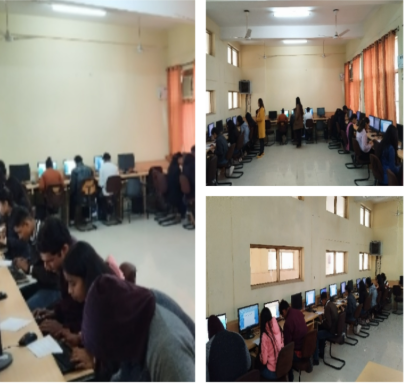
Well-equipped computer laboratories enhance the learning process and enable the proper conduct of the University prescribed courses. Branded Personal Computers are installed in Computer Labs, all networked to facilitate teaching in small batches, with adequate faculty attention.